
3 CEU
Excellence in Digital Photography
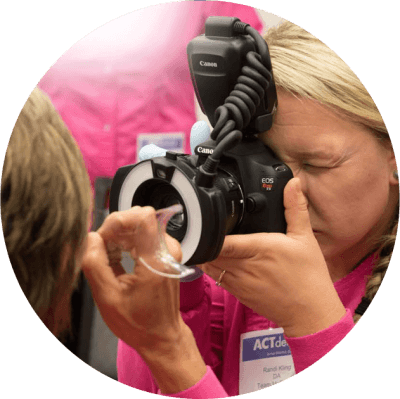
In today’s digital age, dentistry relies on digital photography for effective communication with patients and labs. This module equips dental assistants with essential skills to capture basic digital photos for co-diagnosis, pre-treatment, during treatment, and post-treatment. Learn proper angles for patient documentation and lab communication.
Course Overview
01 Introduction To Digital Photography
The overwhelming nature of digital cameras appears daunting. Coupled with new terminology, camera settings, and high quality expectations, the idea of taking accurate digital photographs in the dental practice can lead to confusion and frustration. However, learning this skill is necessary, as digital technology is becoming the standard of care in dental practice. With digital photographs, dental professionals experience faster case acceptance.
02 Utilizing a DSLR Camera For Digital Images
The advancement of digital photography reduces the use of film and point-and-shoot cameras because of their lack of versatility and detail. For the everyday dental practice, a digital single lens reflex (DSLR) camera is essential.
03 Utilizing A Point And Shoot Camera
Heavy cameras with various lighting equipment, settings, and lenses—in addition to overly simple systems—contribute to confusion and challenges in dental photography. Typical point-and-shoot cameras do not provide sufficient specialization to properly capture and document the specific patient characteristics required in dental photographs. Meanwhile, advanced digital single reflex lens (DSLR) cameras demand extensive training and are very heavy to operate.
04 Photography With A Smart Device
Smartphones, tablets, digital cameras, laptops, and other digital equipment now enable a variety of functions within dental operatories almost instantaneously. They provide immediate access to and capturing of information, improving efficiency and practice management. However, although these so-called smart devices make it easier than ever to maximize the information within a dental prac-tice that can lead to enhanced and more efficient care, sometimes their use might not be so smart.
05 Quality Images
When taking digital photographs for orthodontic treatments, dental assistants may encounter a variety of challenges during this important treatment planning and progress documentation process
06 Accessories for Perfect Images
5.) Choose proper retractors and mirrors. This is critical to taking good photos. It’s a must to have wire and plastic with the double ends for retracted view and buccal images. Take proper care of your materials. When using a Statim by Scican or autoclave, make sure the water is clean or the plastic can turn color.
07 Troubleshooting Photography
Proper Digital Photography is crucial not only to the esthetic dental office but also for the office reaching for that next level of care, and should become apart of the everyday routine. Without photography, patient’s will forget how they used to look; I did when I had my own teeth done. Remember there is no better record than a photograph. It is important and should become apart of your everyday routine.
08 Exam and CE
Exam and CEU
Chairside Assisting
Comprehensive, flexible dental assistant education—blending on-demand courses with real-world, hands-on training. Founded by Shannon Pace Brinker, CDA. Trusted by thousands.
Get in Touch



Copyright © 2026